Best Shade Structures for Patios and Small Backyard Spaces
Reading time: 12 minutes
You’ve finally carved out your perfect little outdoor retreat — a modest patio, a cozy backyard corner, maybe a small deck that gets the afternoon sun just right. And then summer hits. Suddenly that beloved outdoor space becomes a griddle. Sound familiar?
Here’s the thing: you don’t need a sprawling estate or a five-figure landscaping budget to create a genuinely comfortable, stylish outdoor living area. What you need is the right shade structure — one that fits your space, your aesthetic, and your practical needs without overwhelming what you’ve already built.
In 2026, the outdoor living market has never been more innovative or accessible. According to the American Institute of Architects’ 2025 Home Design Trends Survey, outdoor living enhancements rank as the top requested feature by homeowners for the third consecutive year, with shade solutions driving the majority of that demand. Whether you’re working with a 10×12 foot patio or a slightly more generous suburban backyard, this guide will walk you through everything you need to make a smart, lasting decision.
Table of Contents
- Why Shade Matters More Than You Think
- The Main Types of Shade Structures Explained
- Top Solutions for Small Backyard Spaces
- Side-by-Side Comparison: Which Structure Wins?
- Popularity & Satisfaction Chart (2026 Data)
- Installation Considerations and Common Mistakes
- Real-World Examples: What Worked and Why
- Frequently Asked Questions
- Your Backyard Shade Blueprint: Next Steps
Why Shade Matters More Than You Think
Before diving into product comparisons and installation tips, let’s acknowledge something important: shade is no longer a luxury feature. With average summer temperatures in major U.S. cities running approximately 2.3°F hotter in 2026 than they did a decade ago (NOAA Climate Data, 2025), outdoor comfort has become a genuine quality-of-life concern.
Beyond comfort, consider the practical benefits:
- UV protection: The Skin Cancer Foundation recommends avoiding direct sun exposure between 10 AM and 4 PM — prime patio hours for most people.
- Energy savings: A well-placed shade structure over a patio adjacent to your home can reduce indoor cooling costs by up to 25%, according to the U.S. Department of Energy.
- Property value: A Zillow analysis from early 2025 found that homes with defined, sheltered outdoor living areas sold for 7–11% more than comparable homes without them.
- Mental wellness: Regular access to comfortable outdoor spaces is linked to reduced stress and improved mood — something a blistering, unshaded patio actively prevents.
The strategic question isn’t whether you need a shade structure — it’s which one serves your specific situation best.
The Main Types of Shade Structures Explained
Let’s break down the landscape clearly. The market in 2026 offers more variety than ever, but most solutions fall into a handful of distinct categories. Understanding the fundamentals of each will help you cut through the marketing noise.
Permanent Shade Structures
These are built-in solutions that become part of your property’s architecture. They typically require permits, professional installation, and a larger upfront investment — but they deliver unmatched durability and curb appeal.
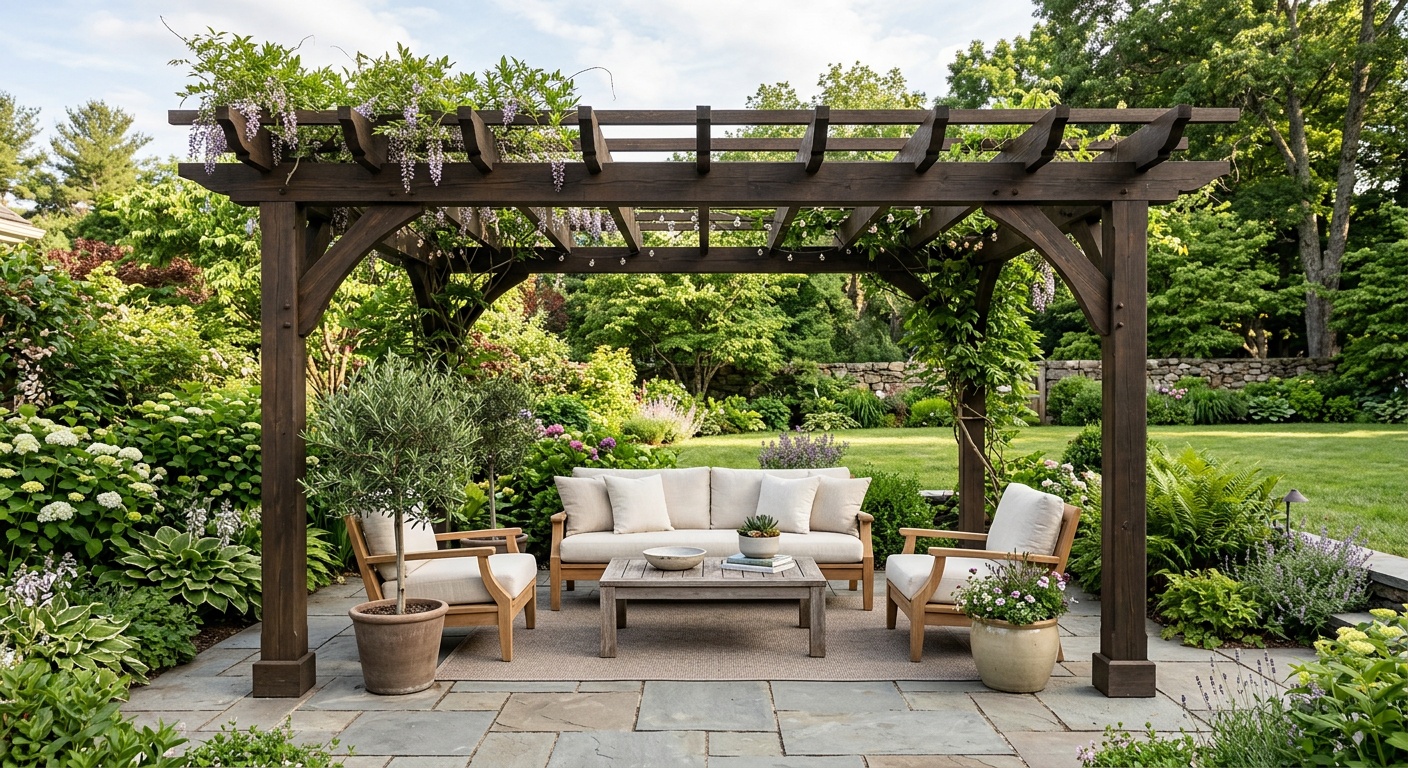
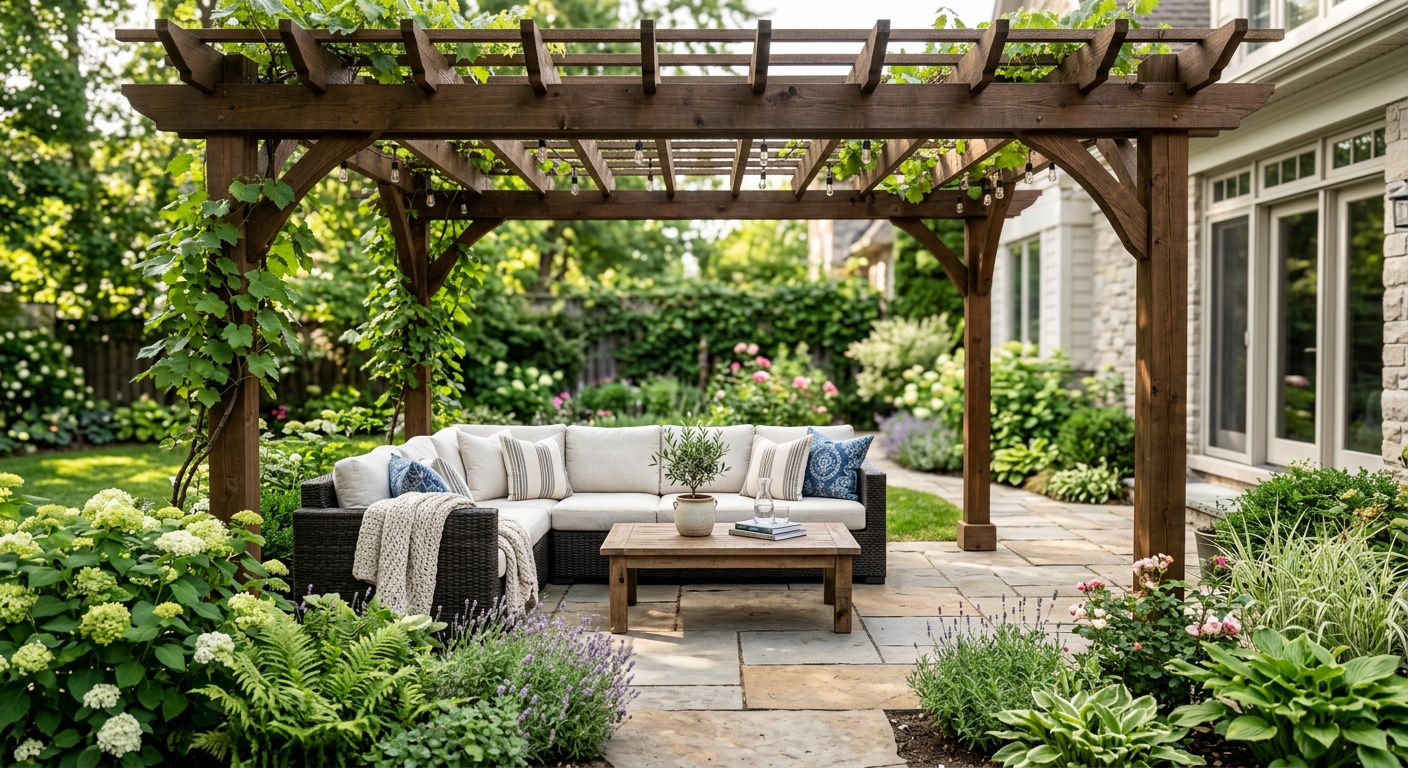
Pergolas are perhaps the most popular permanent option. A traditional pergola features an open lattice or beam roof that provides partial shade and can be fitted with climbing plants, string lights, or retractable canopies. In 2026, the trend has shifted toward hybrid pergolas — structures combining aluminum or powder-coated steel frames with motorized louvered roofs that open and close with a remote or smartphone app. Brands like Palram, TOJA GRID, and Alumawood have expanded their offerings significantly.
Patio covers (solid roof extensions) offer maximum protection from both sun and rain. These are structurally attached to your home and effectively extend your indoor living space outdoors. They’re ideal for climates with unpredictable weather and are the go-to choice for homeowners in the Pacific Northwest or Gulf Coast regions.
Gazebos are freestanding, often octagonal or rectangular structures with a solid or semi-solid roof. They define a specific outdoor “room” and work beautifully in medium-to-large backyards. For small spaces, however, they can feel oversized and visually dominating.
Flexible and Semi-Permanent Shade Solutions
This is where the real innovation for small-space homeowners lives. Flexible solutions offer excellent shade performance without the commitment — or cost — of permanent structures.
Retractable awnings have undergone a quiet revolution. Modern motorized awnings from companies like SunSetter and Sunsetter Pro now feature wind sensors that auto-retract when gusts exceed safe limits, weather-resistant acrylic fabrics, and integrated LED lighting. They’re wall-mounted to your home, making them ideal for small patios where freestanding structures aren’t feasible.
Shade sails are geometric fabric panels tensioned between anchor points — posts, walls, or existing trees. They’ve surged in popularity because of their sculptural aesthetic and exceptional versatility. A well-designed triangular or rectangular shade sail can cover a 12×14 foot area for as little as $150–$400 and can be repositioned seasonally.
Cantilever umbrellas (also called offset umbrellas) use a side pole and counterweighted base to project shade coverage without a center pole obstructing your table or seating area. They’re the most versatile single-unit shade solution for patios, particularly for homeowners who want the ability to easily adjust or remove shade as needed.
Pergola kits and modular systems sit somewhere between permanent and flexible. These DIY-friendly systems — notably TOJA GRID’s post-connector system and Vita Vivo’s modular pergola — can be assembled without professional help, adjusted over time, and even disassembled if you move.
Top Solutions for Small Backyard Spaces
Working with a compact footprint introduces specific constraints. You can’t always plant four anchor posts, you may have HOA restrictions, and you definitely don’t want a shade structure that makes your small space feel even smaller. Here’s how to think about it strategically.
The Rule of Proportional Coverage
A common mistake is oversizing the shade structure relative to the patio. The ideal coverage ratio is 70–80% of your defined outdoor seating area. Covering 100% eliminates the pleasant interplay of light and shade that makes outdoor spaces feel alive. For a 10×12 patio, you’re targeting roughly 84–96 square feet of coverage.
With that in mind, here are the top-performing solutions for small and medium backyard spaces in 2026:
- Cantilever umbrella (9–11 ft diameter): Best for pure patio use. Minimal footprint, maximum flexibility. Look for models with a 360-degree rotation feature — it means you can follow the sun throughout the day without moving your furniture.
- Wall-mounted retractable awning (8–14 ft projection): Ideal when your patio is directly adjacent to your home. Extends your roofline outward and can be paired with drop-down privacy screens.
- Shade sail (triangle or square, 12×12 ft): Perfect for asymmetrical spaces or yards where standard square coverage doesn’t work. HDPE fabric sails block 90–98% of UV rays while remaining breathable enough to avoid the greenhouse effect.
- Compact modular pergola (10×10 or 10×12 ft): Adds structure and visual definition without requiring professional installation. Ideal for homeowners who want the aesthetic of a pergola without the price tag. Pair with a shade cloth insert for increased coverage.
- Pop-up or semi-permanent gazebo (10×10 ft): Budget-friendly and surprisingly durable when anchored correctly. Best for homeowners who use outdoor spaces seasonally and want easy storage during off-months.
Side-by-Side Comparison: Which Structure Wins?
Every shade solution involves trade-offs. Use this table to map your priorities against the available options.
| Shade Structure | Cost Range (2026) | Installation Difficulty | Durability (Years) | Small-Space Friendly | UV Protection |
|---|---|---|---|---|---|
| Retractable Awning | $800–$3,500 | Moderate | 10–15 | ⭐⭐⭐⭐⭐ | 85–95% |
| Cantilever Umbrella | $150–$1,200 | Easy | 5–10 | ⭐⭐⭐⭐⭐ | 80–90% |
| Shade Sail | $100–$600 | Moderate | 5–8 | ⭐⭐⭐⭐ | 90–98% |
| Modular Pergola | $500–$4,000 | Moderate–Hard | 15–25 | ⭐⭐⭐ | 40–70%* |
| Pop-Up Gazebo | $80–$500 | Easy | 2–5 | ⭐⭐⭐ | 70–85% |
*Pergola UV protection increases significantly when fitted with shade cloth inserts or retractable canopy tops.
Popularity & Homeowner Satisfaction: 2026 Data
Based on a composite of data from the Outdoor Living Industry Association (OLIA) 2025 Annual Report and verified consumer review aggregates, here’s how the major shade structure categories rank in homeowner satisfaction among small-to-medium backyard users:
Homeowner Satisfaction Score (out of 100) — Small Backyard Shade Structures, 2026
The pop-up gazebo’s lower score reflects durability concerns more than functionality — users love the coverage but report frustration with fabric wear and frame stability over multiple seasons.
Installation Considerations and Common Mistakes
Choosing the right shade structure is only half the battle. Poor installation is the single most common reason shade structures fail to deliver on their promise — or fail entirely within a year or two.
Anchoring: The Make-or-Break Factor
Regardless of which structure you choose, proper anchoring is non-negotiable. Wind loading is a serious consideration — a 10×10 shade sail in a 25 mph gust generates roughly 150–200 lbs of lateral force on each anchor point. If you’re drilling into a deck or concrete, use galvanized hardware rated for outdoor use, and ensure your anchor points are secured into structural framing, not just surface material.
For shade sails specifically, maintain a 20–40 degree downward angle from the highest anchor point to the lowest. This critical slope does two things: it creates proper tension across the fabric (reducing flutter and wear), and it allows rainwater to run off rather than pool and eventually tear the sail.
Sun Path Analysis: Overlooked but Critical
Before purchasing any structure, spend a day observing where the sun falls on your patio — specifically during the hours you plan to use it most. Summer sun in the continental U.S. tracks from east to southeast in the morning, arcing high through the south midday, and setting in the northwest during evening hours. A structure optimized for noon shade might leave you baking at 3 PM when you’re most likely to be entertaining.
Pro Tip: Use a free sun-tracking app like Sun Surveyor or SunCalc to map your specific sun exposure by hour. It takes 10 minutes and could save you from an expensive purchase that solves the wrong problem.
Common Installation Mistakes to Avoid
- Installing retractable awnings into vinyl siding without a structural backing board (causes pullout failures)
- Using standard wood screws for anchor hardware (use stainless steel or galvanized lag bolts minimum)
- Placing pergola posts directly in soil without concrete footings (warping and heaving within 2–3 seasons)
- Overcrowding a small space with an oversized structure (visually shrinks the area and restricts airflow)
- Neglecting HOA approval before installation (can result in costly removal orders)
Real-World Examples: What Worked and Why
Let’s move from theory to reality. Here are three scenarios that illustrate how homeowners in 2025–2026 have successfully tackled their shade challenges.
Case Study 1: The Urban Townhouse Patio (Chicago, IL)
Maya and Daniel R. have a narrow 8×14 foot concrete patio attached to their Lincoln Park townhouse. With no trees and neighbors on both sides, they needed a solution that provided shade without requiring freestanding posts — there simply wasn’t room. They opted for a motorized retractable awning (12 ft wide × 8 ft projection) mounted directly to the brick exterior above their sliding glass door. Cost: approximately $2,100 installed. The result? A shaded outdoor dining area that retracts completely during cooler months and extends in under 30 seconds via remote. The wind sensor has already auto-retracted the awning twice this summer without any action needed on their part, preventing potential damage during Chicago’s notorious afternoon storm cells.
Case Study 2: The Suburban Backyard Makeover (Phoenix, AZ)
In Phoenix — where summer temperatures regularly exceed 110°F — backyard shade isn’t optional. The Rodriguez family had a 20×16 foot concrete patio that was functionally unusable from May through September. Their solution was a layered approach: a 12×12 HDPE shade sail over the main seating area (blocking 97% UV) combined with a 10-foot cantilever umbrella over their grill station. Total investment: approximately $750. The shade sail is anchored to two existing block walls and one freestanding 4×4 post set in a galvanized bucket with concrete. It drops the perceived temperature by an estimated 15–20°F and has allowed the family to reclaim their outdoor space for evening dinners and weekend gatherings.
Case Study 3: The Pacific Northwest Deck (Portland, OR)
The Yamamoto family wanted a solution that handled both sun and Oregon’s frequent rain. They chose a louvered aluminum pergola kit (12×14 ft) that they assembled over two weekends using TOJA GRID post connectors. The motorized louvers open for air circulation on sunny days and close completely during rain — effectively creating a third room of their home. The system integrates with their existing smart home setup via a compatible app. Investment: approximately $3,800 for materials. Two years in, they report it’s the single best home improvement they’ve made, logging outdoor time year-round rather than only in summer.
Frequently Asked Questions
What is the most low-maintenance shade structure for a small patio?
For pure low-maintenance performance, a motorized retractable awning with acrylic fabric is hard to beat. Acrylic weaves (like Sunbrella, which dominates roughly 60% of the premium awning fabric market in 2026) resist mold, fading, and water absorption without treatment. The motorized mechanism eliminates manual effort, and modern awnings feature auto-retract sensors that protect the structure during high winds — meaning the system essentially takes care of itself. Annual maintenance involves little more than a gentle fabric cleaning with mild soap and water once or twice per season.
Do I need a permit to install a shade sail or pergola?
It depends heavily on your municipality and structure type. As a general rule in 2026: shade sails and freestanding umbrellas typically do not require permits, since they’re considered temporary structures. However, pergolas, patio covers, and attached awnings often do require permits, especially if they exceed a certain square footage (commonly 200 sq ft) or are permanently attached to your home. Always check with your local building department and HOA (if applicable) before purchasing. The permitting process has become significantly faster in most U.S. cities — many municipalities now process minor residential shade structure permits online within 5–10 business days.
How do I choose between a shade sail and an umbrella for a 12×12 foot patio?
Think about your priorities: flexibility or coverage efficiency? A cantilever umbrella is easier to set up, reposition, and remove — ideal if you want the option to open your space fully or store the structure off-season. A shade sail provides more consistent, edge-to-edge coverage and looks more architectural, but requires dedicated anchor points and some setup skill to tension correctly. If your patio has structural anchor opportunities (walls, posts, a pergola frame), the shade sail will give you better UV protection per dollar. If you’re renting, frequently rearranging your space, or simply want a no-fuss solution, the cantilever umbrella wins.
Your Backyard Shade Blueprint: Next Steps
The outdoor living revolution isn’t slowing down. By 2027, industry analysts project the global outdoor shade structure market will exceed $14.2 billion, driven by rising temperatures, remote work culture that blurs the line between indoor and outdoor living, and a generation of homeowners who treat their backyards as genuine extensions of their homes.
Here’s your actionable roadmap for getting this right:
- Map your sun exposure: Spend one day this week noting where sun and shadow fall on your patio from 10 AM to 6 PM. Take photos hourly. This 30-minute exercise will prevent costly misdirection.
- Define your non-negotiables: Permanence, budget, DIY capability, aesthetic preference — rank these before you shop. If you’re renting, eliminate permanent structures immediately. If you live in a high-wind zone, prioritize structures with tested wind ratings (look for AAMA certification on awnings).
- Check your HOA and local codes: A quick 10-minute call to your city’s building department or a review of your HOA guidelines could save you from a $2,000 mistake.
- Start with a mid-range solution: Unless you’re fully committed to a permanent structure, consider a quality cantilever umbrella or shade sail first. Live with it for one season. You’ll learn more about your actual needs in three months of real use than from any amount of pre-purchase research.
- Layer strategically: The Rodriguez family in Phoenix demonstrates this beautifully — combining a shade sail for the primary seating area with a separate umbrella for the grill zone creates flexibility and complete coverage without any single structure feeling oversized.
As climate patterns continue to evolve and outdoor living becomes increasingly central to how we experience home life, the shade structure you choose today is really an investment in how you’ll live for the next decade. Don’t treat it as an afterthought — treat it as the foundation of your outdoor space.
So here’s the question worth sitting with: When you imagine your ideal outdoor moment — morning coffee, weekend barbecue, evening wine — what does the light look like overhead? Answer that honestly, and your perfect shade structure becomes much easier to find.
Article reviewed by Sofia Romano, Flooring & Wall Tiling Geometry Specialist, on July 15, 2026